How to Become a Philanthropist I believe success means more than building a business or reaching personal goals. It also means using our knowledge, time and resources to help others. When we support people and communities, our achievements can create value beyond ourselves.
For me, giving back begins with a simple question: How can I make a positive difference in someone’s life?
Many people think philanthropy is only for the wealthy. I believe anyone can help in their own way. We can support education, guide young people, volunteer our time or help people facing difficult situations.
Understanding How to Become a Philanthropist starts with a genuine desire to help. It is not about gaining attention. It is about understanding people’s needs and taking practical steps to make a difference.
Philanthropy means using money, time, knowledge or other resources to improve people’s lives. It can include supporting education, healthcare, community development and other social causes.
I believe giving should begin with empathy. Before offering help, we should listen to people and understand their challenges. This helps us provide support that meets real needs.
We do not always need to make a large contribution. Helping a student with learning materials, guiding a young person or supporting a local community programme can also be valuable.
The important thing is to treat people with respect. Our goal should be to help them find opportunities and move forward with confidence.
You do not need to wait until you become wealthy to help others. You can begin with the resources you have today.
First, choose a cause that matters to you. It could be education, healthcare, environmental protection or community development.
Next, decide how you can contribute. You may donate money, volunteer your time, share your professional skills or support a trusted organisation.
Here are a few simple ways to start:
I believe small actions can lead to meaningful results when we continue them with care. Start with one clear goal and build from there.

Education gives people the chance to learn, develop skills and explore new opportunities. When children receive the right support, they can build a stronger foundation for their future.
Community development is equally important. People need access to essential services, useful skills and opportunities to improve their lives.
I believe support should address both immediate needs and long-term challenges. Helping someone during a difficult time matters. Supporting their education or skill development may also help them become more independent.
Before choosing a cause, speak with people who understand the community. Listen to their concerns and learn what kind of support would be most useful.
Business leaders have opportunities to contribute beyond their daily work. They can share knowledge, support local initiatives and encourage responsible business practices.
I believe business success should go hand in hand with responsibility. Fair treatment, ethical decisions and respect for communities can help build trust and support long-term growth.
Business owners can also work with credible organisations to support social programmes. Their experience, professional networks and resources may help these initiatives reach more people.
For business groups such as Kannatt Group, the broader lesson is that leadership involves understanding responsibilities and making thoughtful decisions. Any social initiative should have a clear purpose and a genuine focus on the people it aims to support.
What matters most is the work itself and the value it creates, not the attention it receives.
Choosing a cause requires thought and research. Begin with an issue you care about and a genuine need you can help address.
Learn about the problem. Speak with people who understand it and research organisations that already work in the area.
Before offering support, ask yourself:
These questions can help you make responsible decisions. They also help you understand whether your contribution is being used effectively.
I believe compassion should be supported by careful planning. Good intentions are important, but responsible action helps turn them into meaningful results.
If you are exploring How to Become a Philanthropist, begin with one achievable goal. You do not need a large organisation or a major budget to start.
You can support an existing charity, volunteer your professional skills or help solve a problem in your local community. Business leaders can also encourage their teams to take part in suitable social initiatives.
Choose a contribution that fits your time and resources. Then review what you have achieved and learn from the experience.
As you gain experience, you may decide to support a cause for a longer period or work with others who share your goals.
Consistency matters. A realistic commitment that you maintain can be more useful than a large promise that you cannot sustain.
Helping others should not be treated as a one-time activity or a way to gain public attention. Meaningful social contribution often requires patience, consistency and a willingness to learn.
For example, a donation may help meet an immediate need. Continued support for education or skill development may help people build opportunities over time.
The right approach depends on the situation. Some needs require urgent help, while others benefit from long-term planning.
I believe we should review our efforts honestly. If something is not working, we should understand why and consider a better approach. Listening to feedback can help us use our resources more effectively.
Philanthropy is not about being perfect. It is about being willing to help, learn and improve
You can learn How to Become a Philanthropist by volunteering, mentoring, sharing professional skills or making small donations. Start with a cause you care about and offer support that fits your resources. The goal is to make a useful contribution, not to give more than you can afford.
To understand How to Become a Philanthropist, begin by learning what your community needs. You can support education, skills training, access to essential services or local programmes. Work with trusted people or organisations and review whether your support is making a useful difference.
A philanthropist can support education, healthcare, environmental protection, poverty relief and community development. Choose a cause that matters to you and research the people or organisations working in that area before offering help.
Business leaders can support social causes through responsible business practices, mentoring, volunteering and partnerships with credible organisations. They can also share professional knowledge and networks to help create opportunities for communities.
I believe success becomes more meaningful when we use it to create value for others. Philanthropy gives us an opportunity to support people, strengthen communities and help create better opportunities for the future.
Understanding How to Become a Philanthropist does not require waiting for the perfect moment. Start by listening, choosing a cause and taking one practical step. With care, responsibility and consistency, those steps can grow into a lasting contribution.

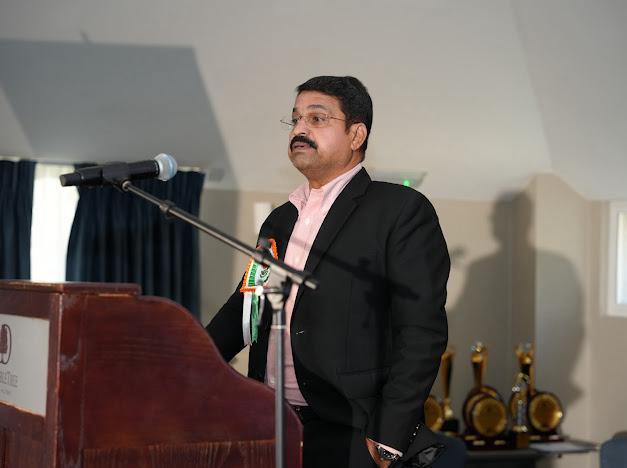
Kannatt Surendran is the founder of Kannatts Group and Managing Director of SJS Avenues LLP — a Hyderabad-based real estate development company specialising in HMDA-approved plotted developments and gated communities across Hyderabad’s high-growth corridors.
With 15+ years of experience in real estate, property management, and business development across Hyderabad, Mumbai, Delhi, Chennai, and Bengaluru, Mr. Surendran has overseen more than 5 million sq ft of real estate transactions through Kannatts Group companies including Bounty Property Management and Keyprop Property Management.
He is an active member of:
– National Association of Realtors India (NAR)
– Hyderabad Realtors Association (HRA)
– Federation of Telangana Chambers of Commerce & Industry (FTCCI)
– Indo-American Chamber of Commerce (IACC)
– Indo-Australian Chamber of Commerce
He serves as Global Vice President of the Pravasi World Malayalee Council (PWMC) and Chairman of the Telangana All In Malayalee Association. In 2024, he received the Business Excellence Award from the World Malayalee Council (WMC) at their Global Business Conclave in London.